
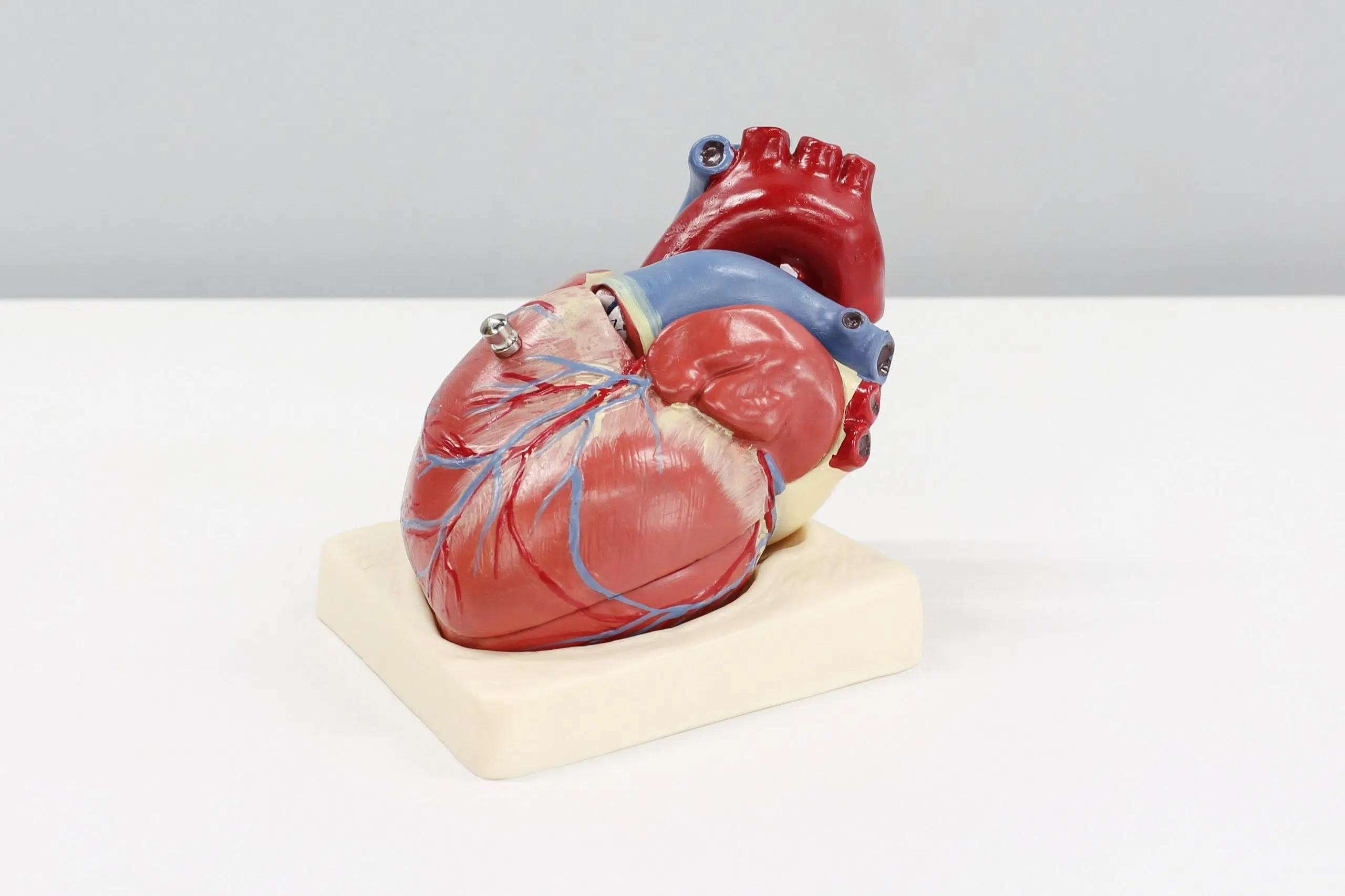
Lincoln – February is American Heart Month and there is no better time to consider your cardiovascular health.
According to the Centers for Disease Control and Prevention (CDC), about 659,000 people in the U.S. die from heart disease each year – one in every four deaths, and is the leading cause of death for men, women, and most racial and ethnic groups.
Coronary artery disease is the most common type of heart disease, responsible for more than 300,000 deaths yearly. In the U.S., more than 800,000 people have heart attacks each year, and about one in five heart attacks is silent – the damage is done, but the person is not aware of it. Common signs of heart attacks include pain or discomfort in the chest; lightheadedness, nausea, or vomiting; jaw, neck, or back pain; discomfort or pain in the arm or shoulder, and shortness of breath.
High blood pressure, also called hypertension, occurs when the pressure or force of blood flowing through your arteries is higher than normal. If the pressure of blood pushing against the artery walls is too high, it can damage your arteries and cause other complications. Blood pressure is a measure of the systolic pressure (top number), which is the pressure as your heart beats or pumps blood into your arteries, and diastolic pressure (the bottom number) is the pressure when your heart rests between beats. To lower your risk of heart disease and stroke, try to maintain your blood pressure at less than 120 systolic/80 diastolic.
Risk factors for heart disease include:
- High blood pressure
- High blood cholesterol
- Obesity
- An unhealthy diet
- Physical inactivity
- Excessive alcohol use
- Smoking/tobacco use of any kind
If you find have risk factors for heart disease you can reduce your risk with the following tips:
- Know your blood pressure. Having uncontrolled blood pressure can result in heart disease. High blood pressure has no symptoms, so it is important to have your blood pressure checked regularly.
- Talk to your healthcare provider about whether you should be tested for diabetes. Having diabetes raises your risk of heart disease.
- Quit smoking. If you don’t smoke, do not start. If you do smoke, here are some ways to quit.
- Discuss checking your cholesterol and triglyceride levels with your healthcare provider.
- Eat healthy food. Obesity raises your risk of heart disease.
- Limit alcohol intake to one drink per day.
- Lower your stress level and find healthy ways to cope with stress.
For more information about heart disease and how you can improve your cardiovascular health visit: https://www.cdc.gov/heartdisease/.